BUYER GUIDE · A PRACTICAL GUIDE
Buy the project you can actually take on.
A home that needs work may offer room to make it your own. We help you separate a manageable improvement plan from a purchase that depends on too many unanswered questions.
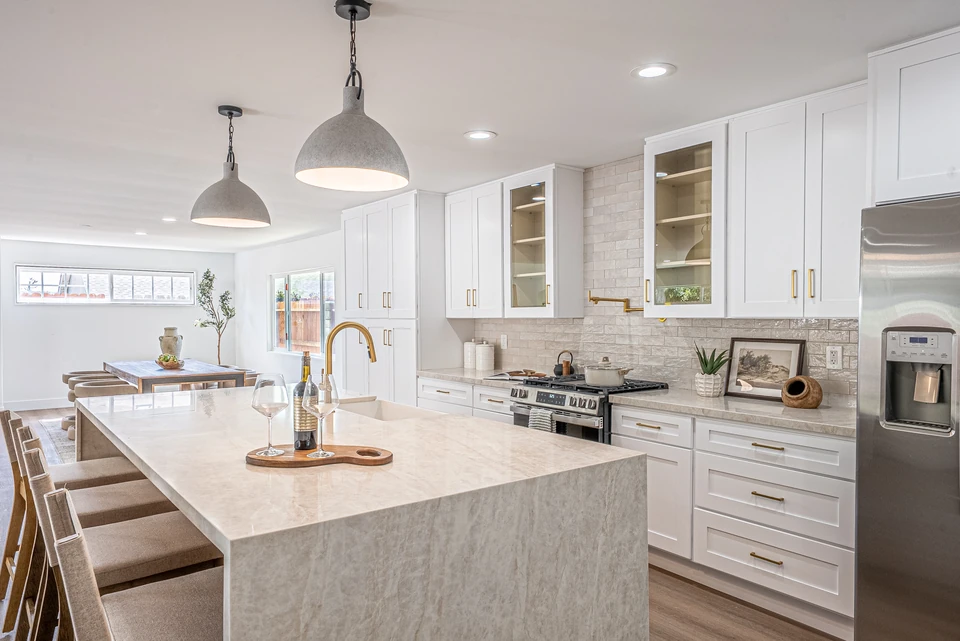
Decide what unfinished would mean for you.
Before touring fixer-uppers, think about your everyday limits. Could you live without a working kitchen for a period of time? Would you need another place to stay? How much decision-making and disruption can you handle alongside work and family?
Write down the conditions you need at move-in and the improvements that can wait. We can use that distinction when comparing properties. A house needing cosmetic work and a house requiring substantial system repairs may look equally dated in photographs, but they call for very different budgets and plans.
Use inspections to define the questions.
Arrange independent inspections within the transaction's deadlines, then ask relevant specialists to investigate significant findings. The CFPB explains why a home inspection differs from an appraisal. A lender's valuation does not replace a review of the home's physical condition.
Separate confirmed findings from areas that remain inaccessible or uncertain. Ask what further evaluation is possible before your decision deadline. We can help coordinate access and the transaction schedule, while inspectors and project professionals assess the work. A general repair allowance should not be used to make a major unknown disappear.
Price the path to living there.
Build a purchase-and-improvement worksheet that includes financing, closing expenses, proposed work, temporary accommodation if needed, and reserves. Ask the lender whether the property's current condition and the work you envision fit the financing being discussed. An approval for one kind of home may not answer questions about another.
For project estimates, ask what is included, what is excluded and which assumptions require confirmation. Permit needs, material availability and discoveries during work can affect both cost and timing. Keep optional design changes separate from the work necessary to make the property suitable for your intended use.
Choose your stopping point before negotiations.
Agree on the price, known work and remaining uncertainty you are comfortable accepting. Then evaluate new information against that boundary. A seller credit may address part of the cost, but it doesn't perform the repair or solve a financing limitation.
Bring us a listing and your move-in timing. We'll help work through the property comparisons and purchase decisions with the project in view. The goal is a home you can improve with a clear plan, including enough room to respond when the process doesn't follow the first estimate.
A useful next step.
A First-Home Buying Plan for the Central Coast →
Buying with renovation or ADU plans →
Planning a Rental Property Renovation on the Central Coast →
Published October 18, 2026. Local resources can change; check current requirements for your property with the relevant agency or professional.